
Projects
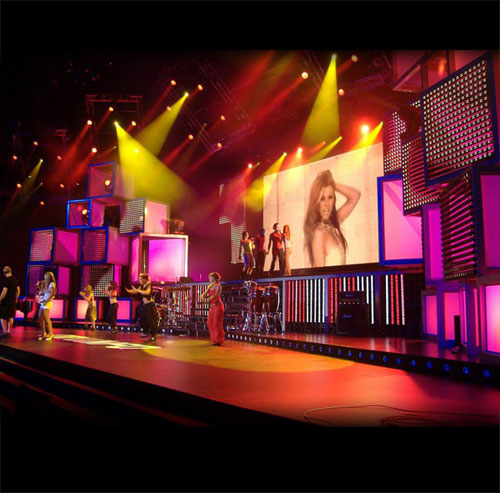
Neon Pulse | A Peak Carnival Defined by Light and Color
When the rhythm takes over the body and color drowns the senses, we use light as our brush to redefine the night. This project is not just a performance; it is a visual tidal wave that sweeps everything away. We reject subtlety and embrace the most direct, intense emotional expression to create a dream kingdom where adrenaline soars.Symphony of Light, Revolution of ColorOur design philosophy stems from the ultimate worship of "light" itself. The entire visual system is based on a high-energy palette of bright colors, anchored by the futuristic and street-savvy neon pink and炽热黄 (chì rè huáng -炽热黄 can be translated as "scorching yellow" or "blazing yellow" for more impact). The collision of these two colors is both a sweet provocation and an explosive declaration, injecting the spa...
Read More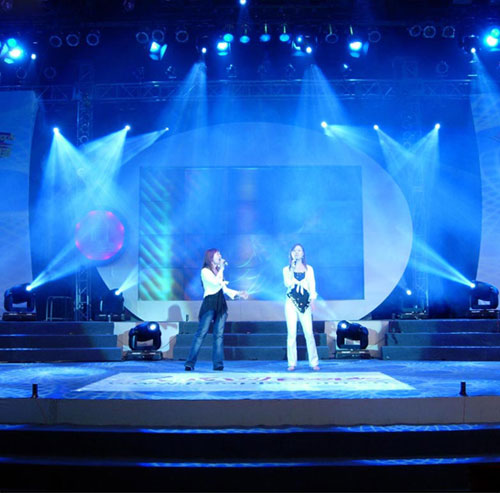
Azure Dreamscape-A Deep-Sea Fantasy Woven from Light
Core Creative Concept:"Azure Dreamscape" is a themed project designed to dissolve the physical boundaries of the stage and construct an immersive, liquid dreamscape through the art of lighting. Moving beyond conventional visual expression, we transform the performance space into a deep, dynamic ocean, turning every audience member into an explorer within this blue fantasy.Role of Lighting Fixtures and Collaborative Design:Stage Lights · Setting the Dream's FoundationActing as the canvas for our light painting, we use extensive stage wash lights to flood the space with layered blues—from the pale azure of ice edges to the profound ultramarine of the depths—laying a mysterious and serene foundation. A pure front light, like moonlight piercing the water, outlines the performers...
Read More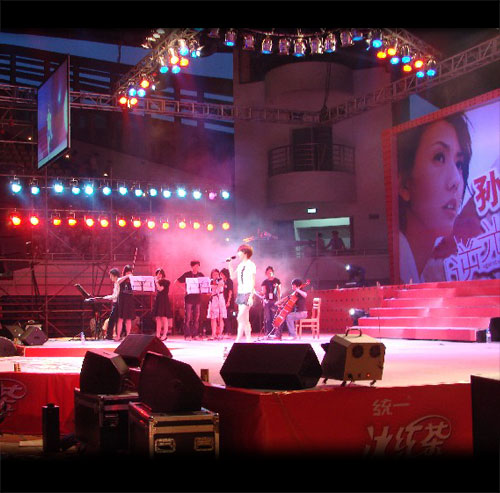
Weaving Dreams with Light: How Stage, Moving, Effect, and Fog Lights Create a Perfect Symphony
Weaving Dreams with Light: How Stage, Moving, Effect, and Fog Lights Create a Perfect SymphonyWhen the wave of music sweeps across the venue, and the performer's emotion reaches its peak, what often pushes this moment to the extreme is not the sound itself, but the light and shadow dancing with it. In an unforgettable concert, the visual experience accounts for half of the impact. The core of this luminous miracle is the ingenious combination of the "big four": stage lights, moving lights, effect lights, and fog machines. Each has its role, yet they work in perfect harmony to weave a dream that transcends reality.I. The Foundation: Stage Lights – Setting the Visual ToneStage lights are the "skeleton" and "backdrop" of a concert. They are typically fixed and responsible for basic illuminati...
Read More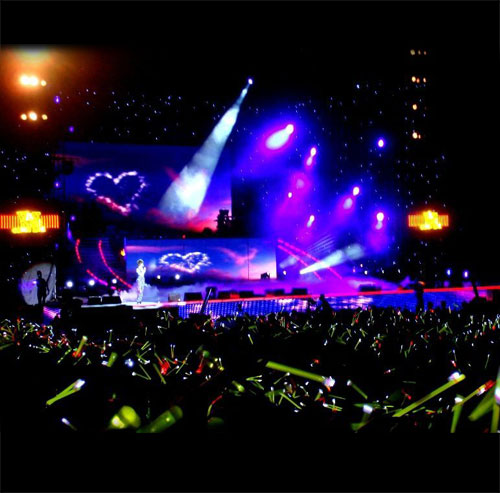
"Azure Tide · Ignite the Night" Large-Scale Outdoor Concert Lighting Design
As night falls and the starry sky becomes our canopy, we will wield light as our brush to redefine outdoor entertainment! This large-scale concert lighting project takes deep, energetic blue as its core theme, masterfully employing stage lights, moving heads, effect lights, and lasers to create an immersive audiovisual storm that sweeps across the entire venue.Lighting Design Philosophy and Roles:Stage Lights · Laying the Energetic FoundationDesign Philosophy: Serving as the canvas for our light show, we utilize high-power LED stage lights to create layered blues—from tranquil lagoon to electric cyan. They form not just the foundation that illuminates the stage, but the starting point of emotional immersion, like a gathering storm on the ocean, building energy for the explosion t...
Read More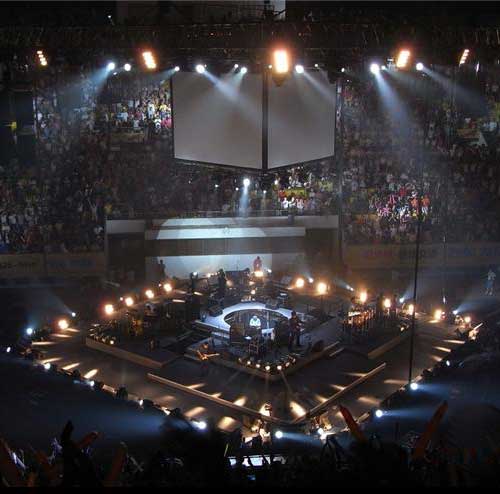
Flowing Light and Shadow, Listening to the Magnificent Movement
In this indoor feast dedicated to classical music, we abandon noise and complexity, adopting "tranquility, comfort, and dimness" as our design principle. Lighting is no longer a mere spectator to the performance, but a narrative poet breathing with the music and performing alongside the artist.Lighting Design Philosophy: Using Light as a Brush to Paint a Poem of SerenityOur core design philosophy is "subtraction." We believe that the ultimate sense of beauty is often born from restrained expression. The entire environment is immersed in carefully calibrated dimness. This not only creates a sense of reverence for the music but also gives weight and warmth to every beam of light, guiding the audience to gather their focus and become fully immersed in the subtle resonance of hearing...
Read More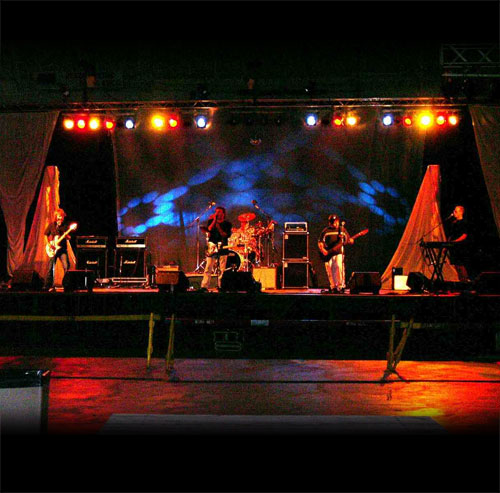
'Dust & Stardust' – A Western-Themed Lighting Stage
In a space steeped in the aroma of bourbon and aged wood, we use light as our brush to recreate a fading legend of the West. This is more than a bar; it's a waystation from the clamor of the modern world. The stage, built from deep-toned timber and leather, glows with the rich patina of yesteryear, saturated in a primary palette of warm amber. Here, lighting is the key that unlocks the stage's very soul.· Stage Lights · Setting the Tone of an EraAs the foundation of our design, Stage Lights function like the setting sun. They wash the performance area in a warm, even amber glow, meticulously outlining the band and singer to ensure every emotion is visible. This dominant hue creates a nostalgic, photograph-like quality, making each moment feel as if it's unfolding in a saloon from a go...
Read More